
Understanding Projection Mapping: Art Meets Technology
The Origins of Projection Mapping: A Brief History
Projection mapping, a fascinating intersection of art and technology, has deep historical roots that trace back over several decades. Initially known as “video mapping,” its origins can be linked to the early use of projectors in theatrical performances and stage shows. The concept gained significant traction in the 1960s when artists and designers began experimenting with light projections on various surfaces. One of the earliest public examples of this technique was the famous “Light Show” events held at major galleries, where artists like Stan VanDerBeek explored the potential of projection as a dynamic art form.
The term “projection mapping” emerged courtesy of the advancements in digital media and computer graphics in the late 20th and early 21st centuries. The turning point came with the advent of digital projectors that allowed for more precise and intricate mappings of surfaces, driving the technique into mainstream use. Festivals and events worldwide began to incorporate projection mapping into their displays, from the elaborate 3D displays lighting up buildings during cultural festivals to interactive exhibitions that engage viewers in entirely new ways. This evolution has transformed projection mapping from a niche artistic practice into a ubiquitous tool across multiple industries, paving the way for rich storytelling and immersive experiences.
How Projection Mapping Works: The Science Behind the Magic
At its core, projection mapping relies on the principles of light and optics. By accurately aligning digital imagery with real-world surfaces, projection mapping creates the illusion of depth and animation. This process involves three key components: projection software, hardware, and the surface on which the image is projected. The software creates a digital blueprint of the target surface, allowing for the precise overlay and alignment of images. Using specialized projectors, the mapped image is then projected, adjusting for any irregularities in the surface to create a seamless visual experience.
The role of technology in this process cannot be understated. Advanced algorithms and 3D modeling techniques allow artists and designers to visualize and manipulate projections in real time. Through a method known as “geometric correction,” projectors can map images onto complex shapes, such as architectural facades and sculptures, ensuring that the intended visual narrative comes to life. The science behind projection mapping integrates computer graphics, animation, and technical rigging to create captivating visual displays that captivate audiences and provide an unforgettable experience.
The Evolution of Art Through Projection Technology
With the development of projection mapping technologies, the world of art has witnessed a significant transformation. Artists now have the ability to tell deeper, more immersive stories through a combination of sound, light, and motion. This opportunity has allowed for the creation of multi-sensory environments that extend the traditional confines of art installations and performances. Not only do contemporary artists utilize projection mapping for aesthetic purposes, but they also leverage it as a medium for social commentary and activism.
The interactive nature of projection mapping allows for deeper audience engagement than ever before, inviting viewers to become part of the artwork. This shift represents a broader trend towards participatory art, where the boundaries between the creator and the audience blur. For instance, major installations like ‘The Night Garden’ or ‘Refik Anadol’s data sculptures’ draw upon vast data sets to create living artworks that react to audience presence and movement, showcasing the limitless possibilities of projection technology in redefining artistic expression.
Creative Applications of Projection Mapping: Beyond the Ordinary
Transforming Events: Making Moments Unforgettable
Projection mapping has revolutionized event production, transforming ordinary gatherings into extraordinary experiences. From weddings to corporate launches, the application of projection mapping can elevate the atmosphere, create immersive themes, and effectively engage guests. Fundamental moments such as toasts, speeches, or performances can be enhanced with captivating visuals that align with the event’s theme, imbuing the occasion with unforgettable memories that resonate with attendees long after the event concludes.
One prime example includes brands utilizing projection mapping for product launches; iconic brands such as Coca-Cola and Nike have used visual storytelling through projection to enhance their presentations dramatically. In such events, visual backdrops shift in real-time, telling the story of a product’s journey or its innovative features. This technique captures the audience’s attention, making it easier for them to connect emotionally with the brand. By elevating the standard event experience, projection mapping allows for a more profound connection between the audience and the themes being presented.
Enhancing Marketing Strategies: Engaging Audiences Like Never Before
In the age of digital marketing, engaging target audiences poses a constant challenge for brands. Projection mapping offers a unique solution by creating dynamic content that entices and captivates consumers. Marketers leverage projection mapping to forge unforgettable experiences that promote brand identities and enhance consumer product interaction. This is particularly evident in retail environments, where projection mapping has increasingly found its place in stores’ marketing strategies.
Imagine walking into a store where the walls are alive with vivid visuals showcasing the evolution of a product or narrating a brand’s story. Projects like the Guinness Storehouse’s ‘Guinness Academy’ in Dublin have effectively used projection mapping to create interactive experiences that immerse visitors in the brand’s heritage. By blending brand narratives with innovative technologies, businesses can not only catch consumers’ eyes but also drive engagement and loyalty. The potential for storytelling using projection mapping has thus become an essential tool for brands looking to differentiate themselves in a saturated marketplace.
Architectural Wonders: Breathing Life into Static Structures
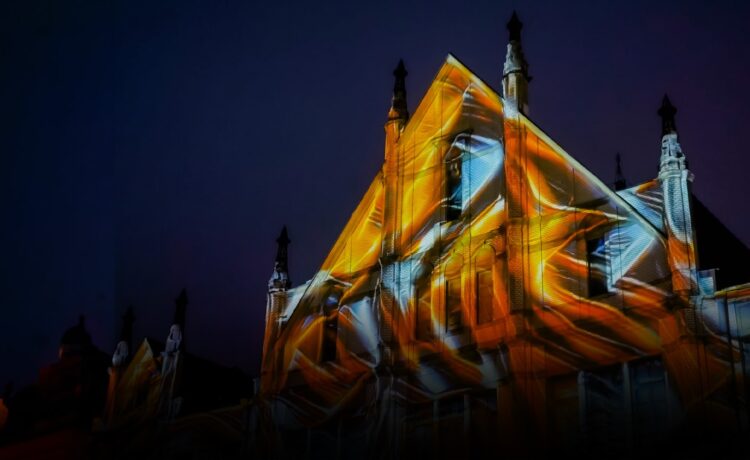
In the world of architecture, projection mapping has emerged as a powerful tool to enhance and animate static structures. This application transforms buildings and monuments into captivating canvasses, allowing for the illustration of ideas or historical narratives that change based on context, seasons, or events. Architectural projection mapping has been celebrated at major festivals such as the Vivid Sydney and the Amsterdam Light Festival, where artists employ light to visually transform entire building facades into dazzling works of art.
Beyond aesthetics, projection mapping serves practical purposes in the architectural field as well. Architects can use projection mapping to visualize their designs before construction, allowing stakeholders and clients to experience dynamic walkthroughs of the project. Applications of projection mapping can extend to urban planning, where it aids in visualizing how future developments might integrate into existing spaces. This fusion of technology and architecture not only provides creative expression but facilitates informed decision-making, showcasing the evolving role of projection mapping in reshaping ideas and visions into reality.
Getting Started with Projection Mapping: Tools and Techniques
The Essential Equipment: What You Need to Create Stunning Projections
To embark on your projection mapping journey, it’s essential to understand the equipment you’ll need. First, a high-quality projector plays a critical role in ensuring crisp and engaging visuals. High lumen ratings and resolution capabilities are vital to brightening any surface and capturing the audience’s attention, especially in low-light situations. Additionally, the use of multiple projectors may be required for larger surfaces or complex designs, necessitating a combination of projectors with various specifications to suit different projection needs.
Secondly, a computer with adequate processing power is crucial for running projection mapping software effectively. Graphic rendering requires the ability to handle high-definition video and 3D graphics; hence, investing in a robust graphics card and ample RAM is equally important. Accessories like projection mapping screens, which come in various shapes and sizes, can help create the perfect canvas for your projections. Depending on your project, tools like stands, cables, and tools for precise alignment can also enhance the final product significantly.
Software Solutions: Navigating the Digital Landscape
Alongside hardware, software plays a pivotal role in the creation and execution of projection mapping projects. Numerous software solutions cater to different complexity levels, from beginner-friendly applications to advanced, professional-grade programs. Programs like MadMapper, Resolume, and TouchDesigner are popular options for beginners and experienced professionals alike. These tools enable creators to manipulate 3D models, design intricate animations, and synchronize audio elements seamlessly.
Each software has its learning curve, but many come equipped with tutorial resources and community support. The selection of software depends on project requirements, the user interface that best fits personal workflows, and the necessary capabilities required for achieving your vision. Familiarizing yourself with multiple applications can broaden your skill set and enable you to choose the right tools for each unique project, ultimately laying a strong foundation for successful projection mapping.
Best Practices: Tips for Flawless Projection Setup
Setting up a projection mapping showcase can pose challenges, but adhering to best practices can ensure a polished visual experience. First, careful surface selection is key; the surface must be stable, textured, and able to absorb or reflect light appropriately to maximize visibility. Conducting site surveys can help you understand the surface material and how best to prepare for the projection.
Moreover, testing and calibration are crucial steps in the setup process. Align projections accurately by adjusting the projector settings and ensuring that the imagery matches the intended surface. Using tools like laser pointers or alignment grids may facilitate precise alignment. It’s also advisable to account for lighting conditions, as ambient light can significantly diminish the visibility of projections. Dimming lights or choosing darker environments can reinforce the projected visuals and enhance viewer engagement. By keeping these best practices in mind, creators can deliver well-executed projection mapping experiences that captivate audiences and leave a lasting impression.
The Future of Projection Mapping: What’s Next?
Emerging Trends: Innovations Shaping the Industry
The future of projection mapping is undeniably bright, underscored by continuous advancements in technology and evolving artistic paradigms. As projectors become increasingly compact and powerful, the scope of what is possible grows wider. Innovations such as laser projection technology offer enhanced brightness and color accuracy, along with longer lifespans and lower maintenance requirements, enabling artists to push boundaries in creative design and execution.
Moreover, the integration of augmented reality (AR) into projection mapping experiences signifies a remarkable trend where digital content merges with the physical world, offering unprecedented interactive experiences. Whether incorporating gamification elements in an exhibition or merging real-time data with visual storytelling, these innovations create opportunities for richer narrative experiences. As interactive projection mapping gains traction, the line between viewer and participant will blur, calling for new models in audience engagement and experience design.
Interactive Experiences: The Rise of Audience Participation
In a world where consumer engagement is increasingly essential, interactive experiences are becoming a cornerstone of projection mapping. Using sensors, cameras, and mobile devices to collect data on audience behavior and preferences enables creators to craft projections that respond to viewers in real time. This adaptability fosters a deeper connection, inviting participants to shape their experiences actively.
Examples abound, from installations where attendees actively influence artworks with their movements, such as the ‘Oculus World’ exhibit, to marketing initiatives that utilize live audience inputs during product promotions. By providing opportunities for participation, creators enrich the projection experience and create lasting memories that resonate long after leaving the event. As companies and artists explore this paradigm shift, the potential for audience-driven experiences makes projection mapping a compelling tool for future engagement strategies.
Environmental Impact and Sustainability: A Conscious Shift
With the growing concern for environmental sustainability, the future of projection mapping is also taking into account its ecological footprint. In response to global calls for greener practices, organizations are exploring energy-efficient projectors, sustainable materials, and environmentally friendly production techniques. Many artists now aim to create thought-provoking projections that raise awareness about environmental issues and encourage sustainability in their communities.
For instance, installations that feature themes of climate change or biodiversity have begun to emerge, coupling the immersive power of projection mapping with a critical commentary on human impact. This shift not only emphasizes the importance of social responsibility within the arts but aligns projection mapping with broader conservation movements. By combining creativity with ecological mindfulness, artists and technologists alike strive to use projection mapping as a vehicle for awareness, education, and action in addressing pressing environmental challenges.