
In high-end photography, a camera in the hands of a professional becomes a diagnostic tool rather than just a creative one. That is because experts in photography understand that, in film, you never see a static face, you see a face becoming something, and a pose that is already in motion emotionally even when the body is still.
A trained eye isn’t simply recording how someone looks. It is reading how someone holds themselves inside a moment. That way, identity is not fixed on impact, it is revealed through transition: the pause before expression settles, the hesitation between intention and reaction, the subtle shift where presence turns into character.
Building Romantic Architecture through Photography: The Structural Documentation of Intimacy
In the realm of romance photography, the objective is to move beyond the “pose” and into the architecture of connection. Experts understand that with professional Erotic Couple Photos, intimacy is something that can be captured, expressed, and framed through the technical mastery of photography.
- Proximity Logic (Couples / Indoor Boudoir): Long-lens compression visually reduces distance, creating the feeling of closeness as inevitable, not instructed. The frame intensifies connection by collapsing space, not arranging it.
- Shared Rhythm (Temporal Flow): Sessions are built around micro-movements; breathe shifts, pauses, hand adjustments. These transitions matter more than poses because they reveal emotional timing, not posture.
- Subtractive Sanctuary (Lighting Design): Negative fill and controlled shadowing are used to remove distraction, isolating the couple within a private visual field. This mirrors cinematic intimacy where the world “falls away” around the subjects.
- Environmental Framing (Drone / Nature Integration): Wider perspectives establish emotional scale-showing how connection exists within vastness. Nature and aerial perspectives position intimacy as part of something larger, not isolated.
- Controlled Enclosure (Indoor Boudoir Precision): Studio or private settings function as designed environments where light, distance, and reflection are fully curated. This creates emotional focus through limitation, not excess.
Creating such a romantic photography architecture requires a diagnostic approach that seeks out the “unspoken dialogue” of touch, the subtle physical mirroring and the weight distribution that reveal the raw, unscripted reality of a couples union.
Lighting as Casting Signal Engineering: Defining Screen Authority and Range
For actors, lighting is not about mood alone, it directly affects perceived casting category.
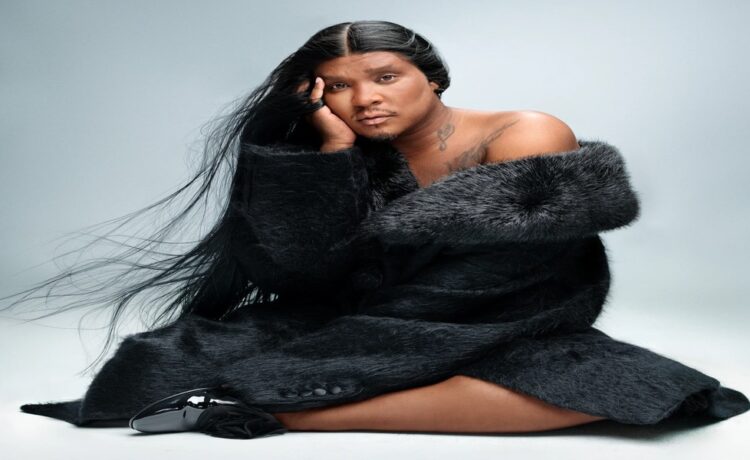
- Low-key directional lighting is often used to introduce dramatic authority bias, positioning the actor closer to cinematic “lead intensity” profiles
- Rembrandt and split lighting are strategically used to introduce asymmetry, which casting psychology associates with complexity and layered roles
- Negative fill is not just contrast, it removes “approachability saturation,” allowing sharper role definition (heroic vs. morally ambiguous reads)
Unlike general portraiture, the goal here is not visibility, it is role suggestion through light geometry. Subtle shadow placement can shift perception from commercial-friendly to festival-cinematic within the same face. In actor branding, this becomes critical: lighting is essentially pre-casting language before performance even exists.
Eye Line and Focus Control: Simulating On-Camera Emotional Availability
In actor headshots, the eyes are evaluated as performance readiness indicators, not just emotional points.
- Slight deviations in gaze direction suggest different screen dynamics (direct gaze = confrontation, off-axis gaze = internal monologue)
- Catchlight positioning is calibrated to simulate “active thought” rather than static expression
- Depth-of-field focus is often tuned to mimic lens behavior used in actual film production (to ensure translatability to screen work)
The key distinction: casting professionals are not looking for “expression”-they are reading emotional accessibility under camera conditions. A technically precise eye focus suggests an actor who can sustain emotional presence in motion scenes, not just still frames.
Lens Compression and Facial Geometry: Aligning with On-Screen Proportion Standards
- Actor portraiture is heavily influenced by how the face would behave under cinematic lenses.
- 85mm-135mm focal ranges are used to replicate film-set compression logic
- Facial proportions are subtly stabilized to match on-camera framing expectations
- Micro-distortion control ensures nose, jawline, and eye spacing read correctly under “screen distance illusion”
This is not beautification, it is cinematic translation accuracy. The goal is to ensure that what casting sees in a still frame holds true when mentally projected into motion. Inconsistent geometry creates dissonance; precise compression creates trust in screen viability.
Color Grading as Role Positioning: Emotional Typecasting Through Tone
Color science in actor photography directly influences perceived narrative category.
- Cooler mid-tones often signal psychological complexity or intensity-driven roles
- Warm skin bias enhances relational accessibility and commercial viability
- Controlled desaturation is used to remove “social media gloss” and shift perception toward cinematic realism
Subtle film-emulation grading is not aesthetic preference, it is industry signaling. It tells casting professionals whether the actor belongs in commercial advertising ecosystems or narrative-driven cinematic environments. In high-end practice, color is not decorative, it is categorical.
In essence, actor portraiture operates as a precision system where technical photography intersects with casting psychology. Every decision like light direction, gaze structure, lens selection, and tonal grading functions as a signal that informs professional interpretation before a performance ever happens. The strongest work in this space does not simply present an actor; it aligns their visual identity with how the industry is already trained to evaluate screen potential.